
Business Reflections
Technology
Digital technologies are embedded in UK vocational and further education, particularly in apprenticeship delivery, where assessment, competency tracking, and reflective practice are central.

Digital technologies are embedded in UK vocational and further education, particularly in apprenticeship delivery, where assessment, competency tracking, and reflective practice are central.
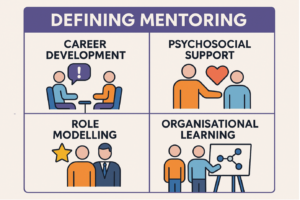
Mentoring is a multi-dimensional practice combining career development, psychosocial support, role modelling, and organisational learning.

Classroom management is a fundamental element of effective teaching, yet it is often misunderstood as a measure of a teacher’s control rather than an evolving professional skill.
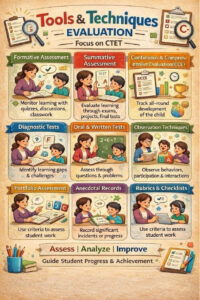
Assessment is a central component of effective pedagogy and learner development. Its purpose extends beyond measuring academic attainment to supporting personalised learning, identifying needs, and enhancing teaching practice.

The purpose of education has been widely debated as systems around the world grapple with increasing pressure for measurable performance while also acknowledging the need for deeper, meaningful learning.

Inclusion in learning is not a programme, a strategy, or a checklist—it is a mindset and a shared responsibility. True inclusion means creating an environment where every learner and every